Understanding the Journey of Refinishing Your Surfaces
The refinishing process can breathe new life into your old surfaces. It involves several important steps that aim to restore and rejuvenate tired or damaged items, making them look fresh and appealing again. Whether you’re dealing with wood floors, bathtubs, or kitchen cabinets, understanding what this process entails will help you prepare better and ensure a smoother experience. Knowing what lies ahead can alleviate concerns and set realistic expectations.
The Initial Assessment
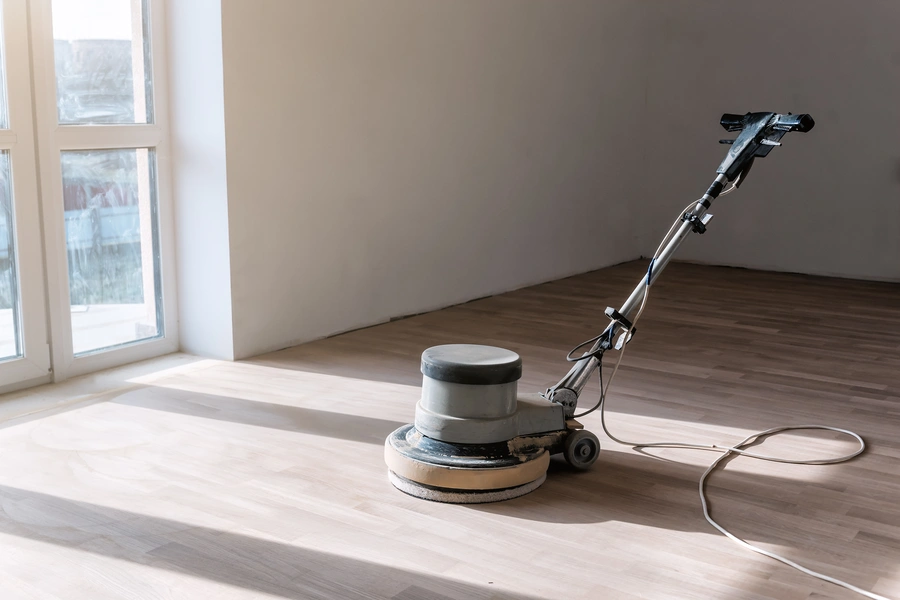
The first step in the refinishing process is an initial assessment. A professional will examine the surface to determine its condition and identify any underlying issues. They may look for scratches, dents, or stains that need addressing. This evaluation helps in planning the necessary treatments required to achieve the best results. At this stage, floor refinishing professionals decide on suitable methods and materials to use.
Preparation Before Work Begins
Once the assessment is complete, preparation begins. This step is crucial as it sets the foundation for successful refinishing. The area around the surface will be cleaned and cleared of any debris. Dust sheets might be used to protect surrounding areas. For something like floor refinishing, sanding might be done to remove any existing finish and smooth out imperfections.
Choosing the Right Materials
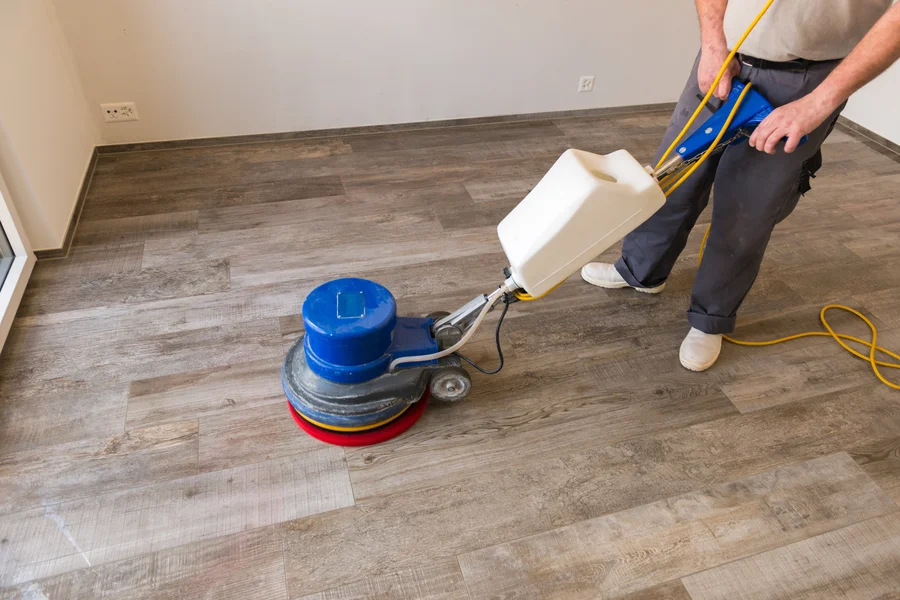
Selecting appropriate materials is essential for effective refinishing. Different surfaces require different products. High-quality finishes ensure durability and enhance appearance. Depending on the item being refinished, options may include oil-based or water-based products. These are chosen based on their suitability for specific tasks and desired outcomes.
The Application Process
Once everything is prepared, the actual refinishing work starts. Applying new coatings involves skillful techniques to ensure even distribution and proper adhesion. This step requires patience as each layer must dry completely before adding more coats. During this phase, experts pay attention to detail to avoid bubbles or streaks.
- Ensure each layer dries fully before adding another
- Avoid rushing the application process
- Use tools suited for the type of finish
Curing and Final Touches
After all layers are applied, curing takes place. This period allows the finish to harden completely, providing lasting protection and shine. Curing times vary depending on materials used. Once cured, minor touch-ups may be needed to address any small flaws or uneven spots noticed during inspection.
Benefits of Refinishing
The benefits of refinishing are numerous. It extends the life of your surfaces, saving money by avoiding costly replacements. Refinishing also improves aesthetics, enhancing both value and appeal. Additionally, it’s an environmentally friendly choice since it reduces waste by repurposing existing materials.
- Cost-effective compared to replacement
- Eco-friendly option by reducing waste
- Improves property value through enhanced appearance
Potential Challenges You Might Face
There are challenges you might face during refinishing processes. Common issues include time constraints due to drying periods and potential mismatches in color when touch-ups are needed later on. However, these can be mitigated by setting realistic schedules and using expert guidance throughout the project.
Call Us for Your Next Refinishing Project
Your journey towards beautiful surfaces begins with Armando Medina Hardwood Floor. Our team specializes in delivering exceptional service tailored to your needs. Contact us at (817) 808-5816 for expert advice and assistance. Based in Dallas, TX, we proudly serve our community with dedication and care.